
News
How we think about balance in Tyr
Why we protect a tank’s strengths, what happened with Alecto, and where your feedback fits into the process.
Hey everyone, Joey here.
We spend a lot of time talking about what’s changing in Tyr. Today, we want to talk about how we decide what to change.
I recently sat down with Veigar Bouius, Co-Founder and Product Director at Stoke Games, to talk through some questions we’ve been seeing from the community. What does a balanced game actually look like? Why not just nerf the strongest thing? And how do we make sense of it when player feedback and win rates seem to disagree?
I’m handing this one over to Veigar to walk through how he thinks about those questions, with a few examples you’ll probably recognize.
Over to Veigar...
What does balance look like in Tyr, and how do we consider and make changes?
Balance means having more viable choices
I think the underlying goal of balance isn’t always well understood or talked about.
A common (and perhaps misconceived) way to think about it is that a game is balanced when all its options are equally powerful. That idea is useful, but it also has a danger: you start taking a sledgehammer to anything that stands out.
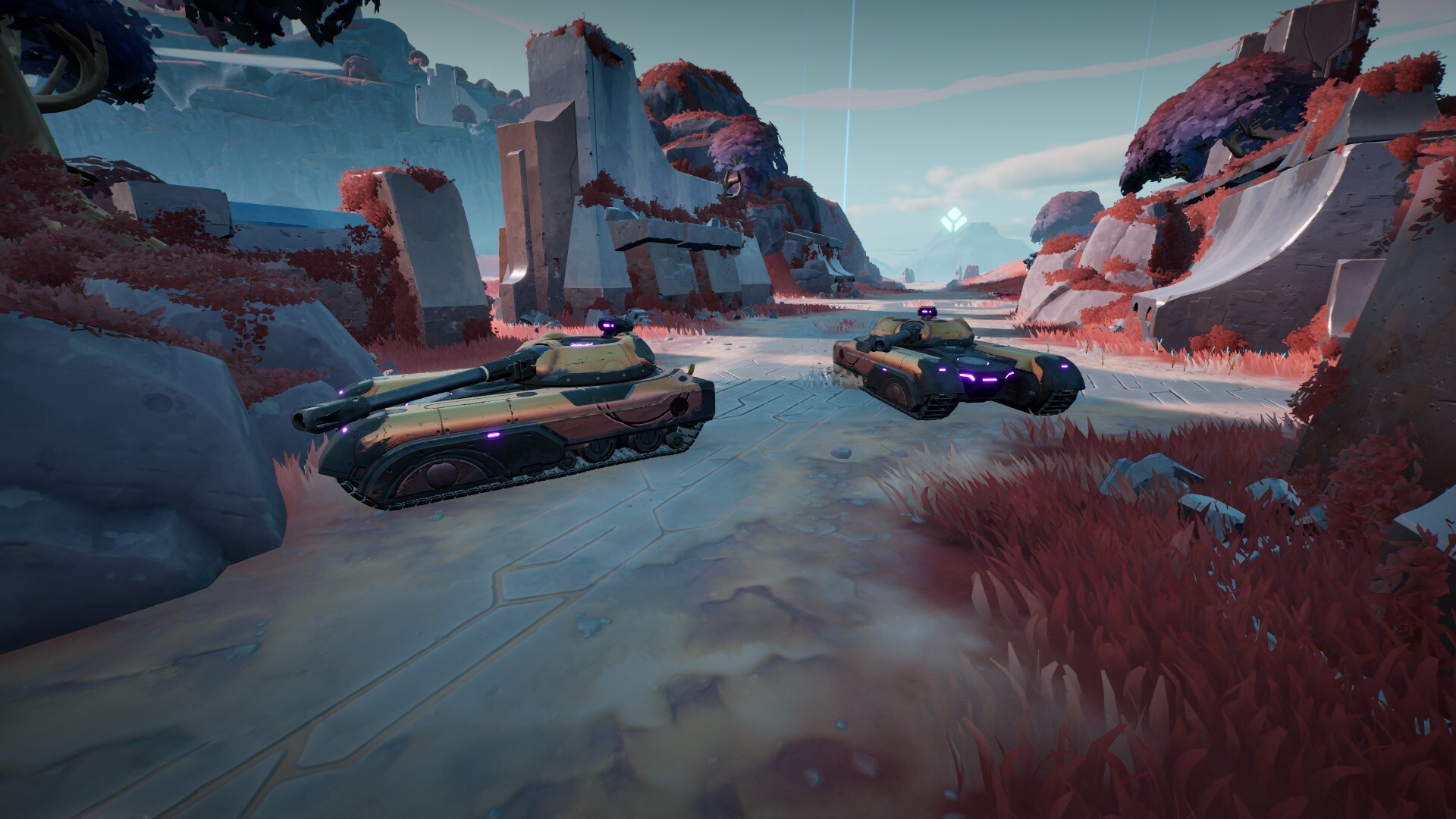
Something has a strength that other tanks don’t have, so you shave it down. Then you do the same thing to the next tank. Eventually, everything is a perfectly rounded sphere with no spikes. You’ve made the game more balanced in one sense, but you’ve also made it a lot less interesting.
For us, a better lens is increasing the number of viable choices.
When one option is so strong that there’s no reason to pick anything else, you effectively have fewer choices. But if we solve that by making every tank feel roughly the same, we haven’t accomplished much either.
We want you to have good reasons to bring different tanks. That means giving them strengths worth choosing and weaknesses that other players can actually exploit.
A tank should keep the thing that makes it interesting
When we look at a tank that might be too strong, we start with what its strengths and weaknesses are supposed to be.
Are its weaknesses pronounced enough? Can opponents punish it through those weaknesses? If those look appropriate, is there power elsewhere that the tank doesn’t really need to fulfill its role?
Atlas is a good example.
You look at Atlas, and your first read is that this thing is a brick. It’s the quintessential super-heavy tank. Its armor should be a defining strength, and penetrating it from the front should be difficult.
That’s also the thing that can feel most obviously overpowered when you’re fighting it. You shoot the front, you can’t penetrate it, and you think: other heavy tanks don’t get to do this. Why does Atlas?
But if we make that frontal armor porous, Atlas starts resembling other heavy tanks, except it’s slower. Why would you bring it?
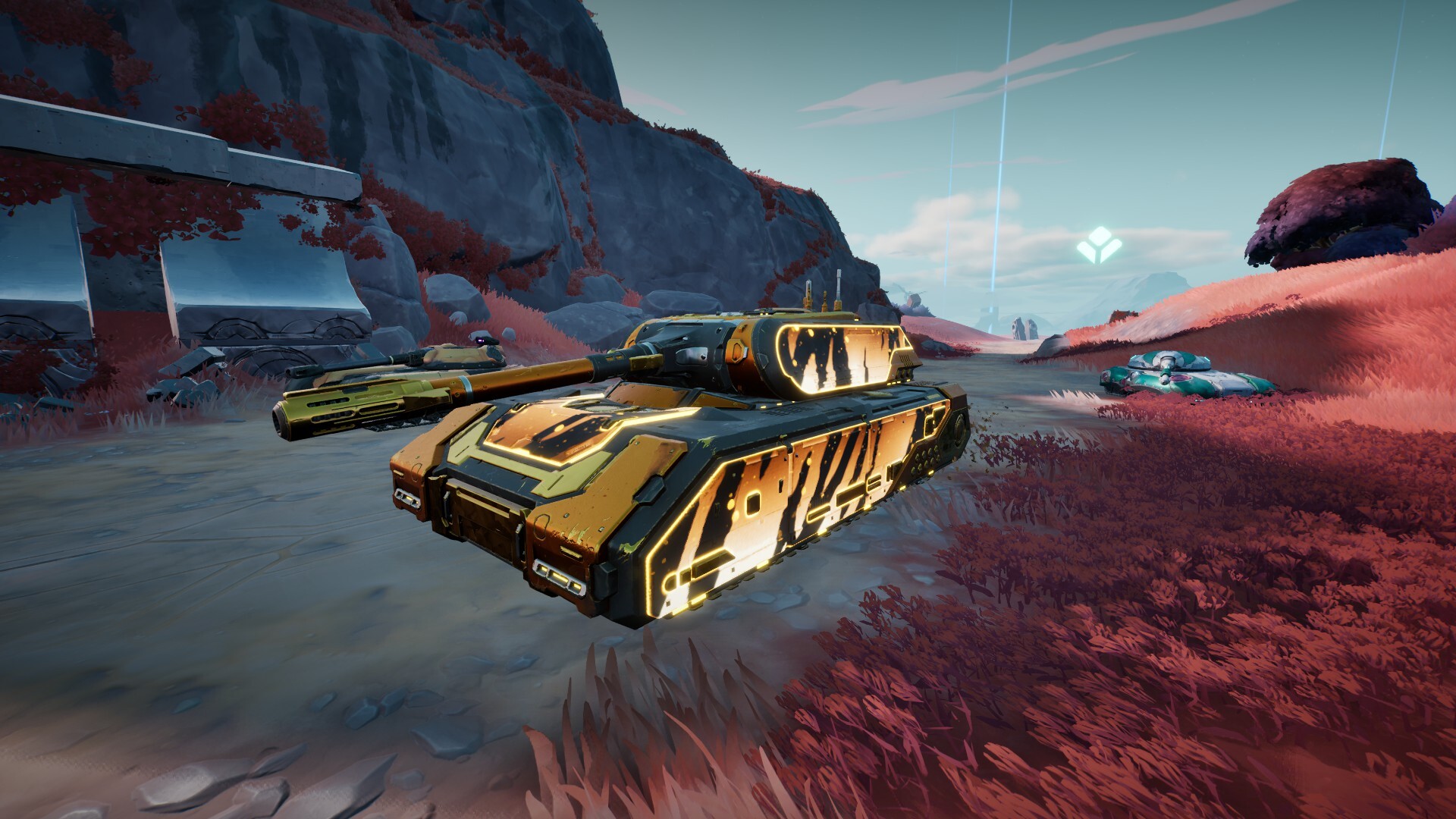
We could end up removing a meaningful choice while trying to improve balance.
That doesn’t mean Atlas should get to be good at everything. In our recent balance patch, we adjusted its reload and health upgrades rather than taking away its defining armor strength. Having the highest damage output among heavy tanks wasn’t something Atlas needed for its role.
Ranger presents a different challenge because it’s more of a jack-of-all-trades. It’s maneuverable, it can reach surprising positions, and it has enough armor to bully some light tanks.
When we reduced its armor, we chose to preserve its mobility. That also made it less effective in matchups it previously dominated, including against Alecto.
There’s a reasonable case for a different version of Ranger: a little more armored, a little slower, and more dependent on its ramp to reach those positions. That might be a more interesting version of the tank. It’s worth considering.
Those are the kinds of trade-offs we’re looking at. Not just whether a number goes up or down, but what the tank becomes as a result.
Alecto, Weakness Analyzer, and being too slow
At this point, I think it’s fair to say we were too slow on Alecto.
The useful question is why.
Historically, Alecto wasn’t competitive. We had players asking for substantial changes because they didn’t think its design would ever have a place in competitive play.
That was disappointing because it had a lot going for it. It was fun, skill-expressive, and exciting to watch. People wanted to play it more seriously.
So when it started showing up in ranked and tournaments, that was exciting. After a long period of players asking for it to be viable, we didn’t want to immediately knock it back out.
Then the question became whether it had gone too far, and what was causing that.
Was it Weakness Analyzer? Siphon Shells? Hover tilting and ridge-peeking? Its interaction with mines? Armor that was unexpectedly effective against HE?
There were several things to investigate, and some were bugs we could address directly.
Components make this more complicated because they’re shared across the roster. If one tank has an unhealthy interaction with a component, we’d prefer to fix that interaction without damaging all the other interesting things players are doing with it.
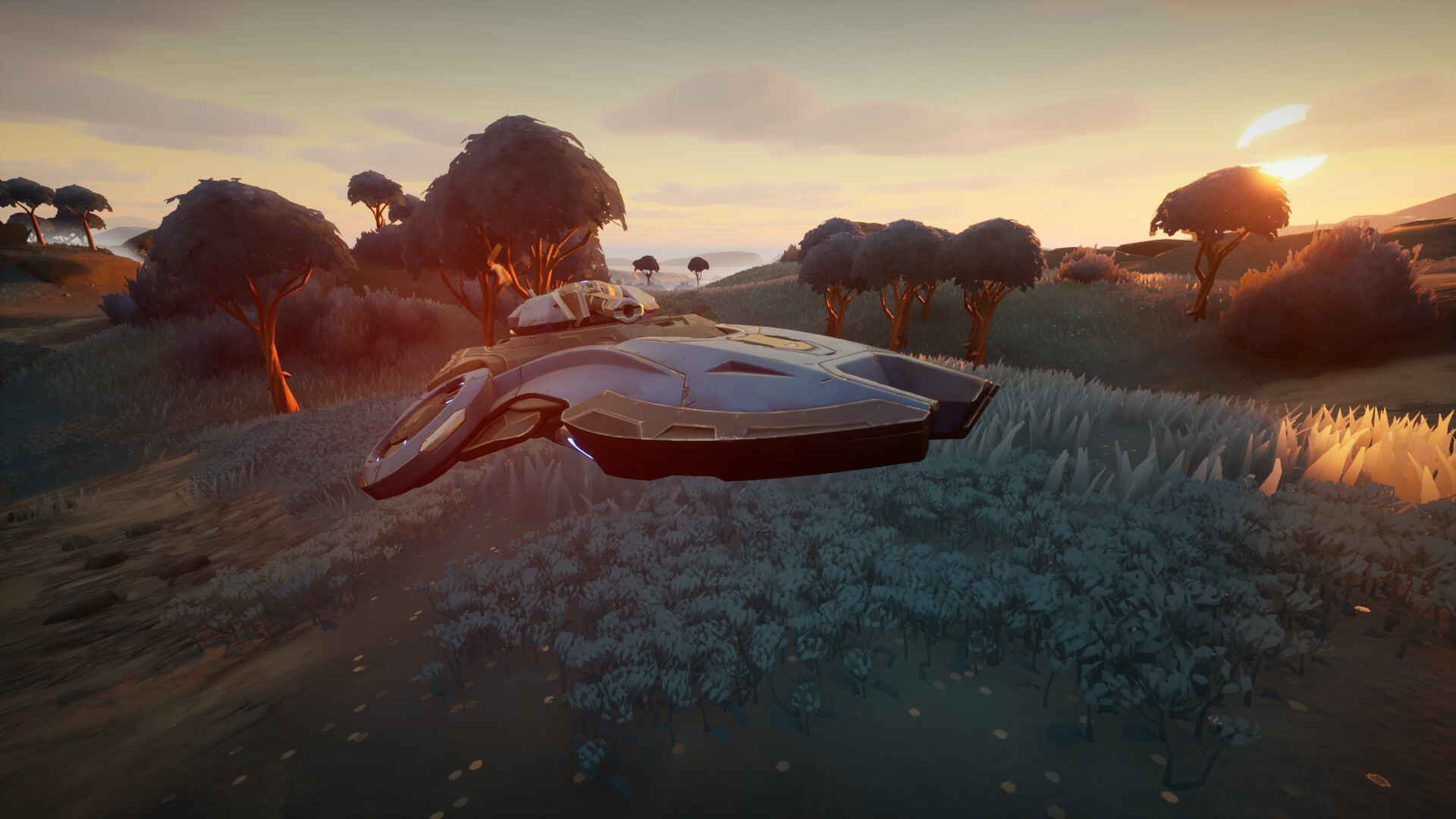
Leaving power level aside for a moment, Weakness Analyzer promotes a fun style of play. It rewards execution and mastery. Ideally, it should create interesting options on several tanks, not be reduced to something that only works in one situation.
We tested changing its reload reduction from a flat amount to a percentage. That looked promising, but playtesting exposed worse interactions elsewhere. On Arbalest, you could get a large reload reduction from a point-blank shot, enter siege mode, and fire again very quickly. Tempest also became too effective with it.
The solution was worse than the problem we were trying to solve, so we backed it out.
In hindsight, that was the point where we should have made an interim adjustment to Weakness Analyzer while we worked on something better.
Instead, we continued with the other changes, and Alecto remained too strong.
We’ve now shortened Weakness Analyzer’s effect duration as that interim adjustment. A deeper change is still in testing, planned for the end-of-month update.
That’s the journey behind this one. There were reasons for being cautious, but we should have acted sooner.
The interactions are part of the game
You could reasonably ask why we create these complicated interactions in the first place.
Why have components that are much better on some tanks than others? Why use flat bonuses when percentage bonuses could make their effects more consistent?
Because finding those interactions is part of playing Tyr.
There’s a good moment when you understand a component, think about another tank, and realize: wait, this could work really well on that.
We want you to have that moment. Theorycrafting, testing a build, and finding a useful synergy should feel rewarding.
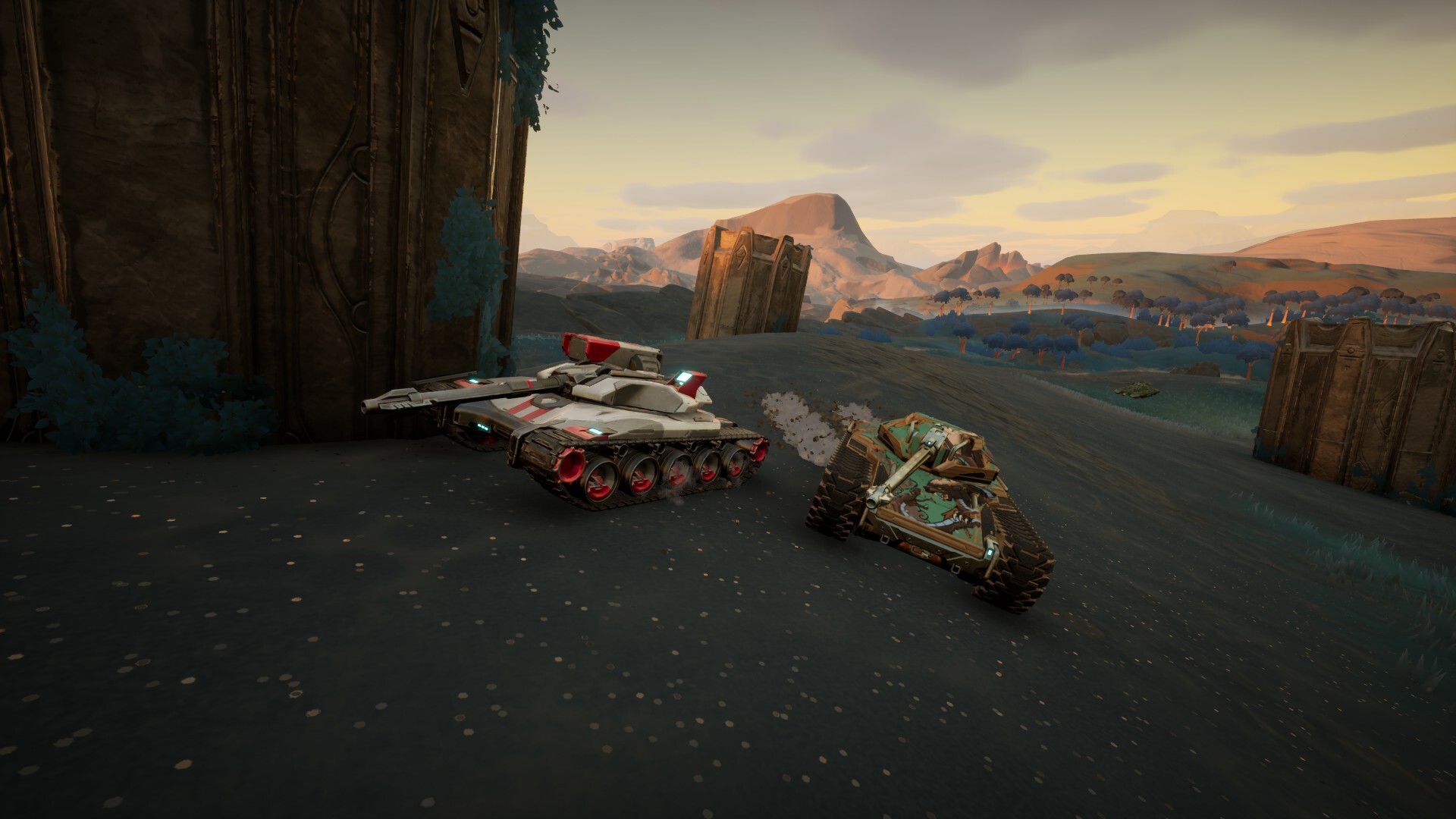
If every bonus were equally effective on every tank, a lot of those decisions would become more straightforward. A damage-oriented tank takes damage, reload, and aim bonuses. A defensive tank takes health and damage reduction. You could end up applying the same broad choices across an entire class.
We intentionally use flat or percentage bonuses depending on the interactions we want to create.
That does make our job harder. We need to preserve strong synergies without letting them become broken. Sometimes we miss that line, and then we need to intervene. But removing the interactions altogether would also remove an interesting part of the game.
There’s also a related risk that every tank eventually gets one accepted, optimal build. That can happen. So far, though, we haven’t seen a complete consensus form, even among tournament players.
The map matters. Your team composition matters. The matchups you expect matter. You might want mobility to reach a particular position, or a more defensive build to hold a corridor.
Even something as simple as shell damage versus hull traverse speed can produce a disagreement between experienced players. They value different things because they’re thinking about different situations and how they play.
Right now, I see that disagreement as a healthy sign. There’s still room for different choices.
Win rates, player feedback, and playing the game ourselves
We use three main inputs when making balance decisions: metrics, player feedback, and our own experience playing.
Each tells us something useful. Each also has shortcomings.
Metrics are arguably the most objective, but they can be incomplete.
Our starter tanks tend to have lower win rates because new players use them. Alpha tanks tend to have higher win rates because our most experienced players have access to them.
Knowing that doesn’t tell us exactly how large those effects are. If an alpha tank has an above-average win rate, is it too strong, or is that the player population? Could it even be underpowered relative to the experience of the people using it?
We also see mismatches between results and how something feels. Heavy tanks can have higher win rates while heavy-tank players tell us they feel ineffective and spend their matches getting peppered by shots.
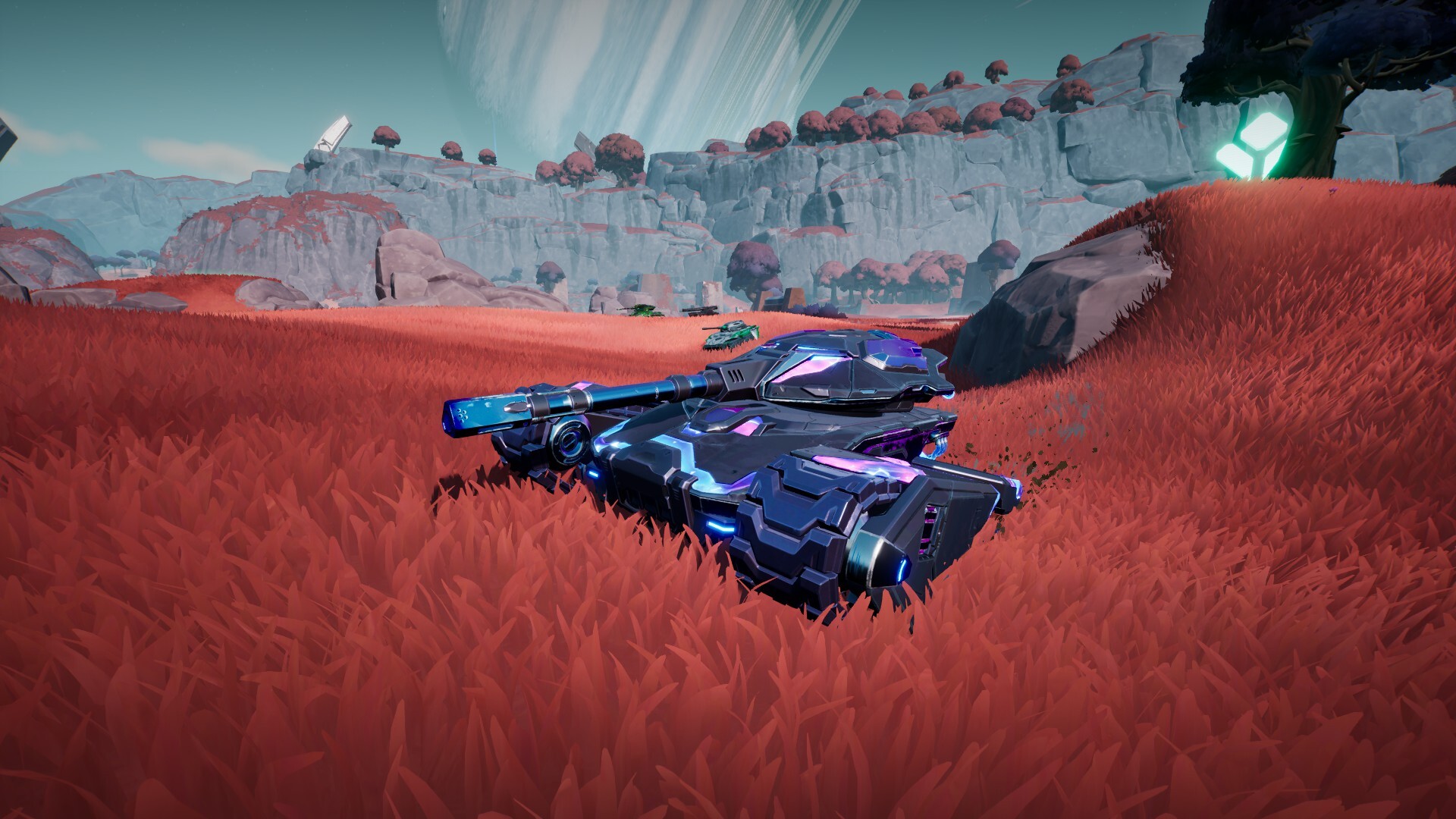
That feedback matters, even when the win rate looks healthy.
Player feedback, especially when there’s a consensus, is often very good at identifying where a problem is. The solution can be less straightforward.
When something frustrating happens, the most direct answer we typically get from players is to stop that thing from happening. Sometimes that’s right. Other times, a better answer is to strengthen a counter that isn’t effective enough, or help players understand a tool they already have.
That’s where playing regularly helps us fill in the picture. If you play ranked, you may have seen me, lumpyblowfish, or Admiral Nelson in your matches.
When feedback and metrics disagree, we investigate. We play the tank, try to reproduce the situation, and work through the counterplay.
Does the counter work? Did I execute it properly? If I did and it still failed, is the tool too weak? If it works once I understand it, how do we make that option easier for other players to recognize and use?
Those are different problems, and they need different solutions. We need more than a win-rate table to tell them apart.
Balance and new content happen alongside each other
We also get questions about how balance work fits alongside new tanks, maps, and other features.
Right now, those things happen in parallel.
We’re reading feedback, playing, planning changes, testing them, and evaluating what happens after they go live. We’re also making new tanks and maps.
For new tanks, the bottleneck isn’t design. It’s the art time needed to bring them into the game. Moving more design time onto tanks wouldn’t automatically get them finished sooner.
Bigger changes to the scope of the game are a different question. Think stuff like additional game modes.
We want to dial in one excellent game mode before broadening into several. Splitting the matchmaking queue is also a real concern while our player population is still small.
A PvE campaign is an appealing idea. I think it sounds cool, too. But making it work would be a significant investment, and there isn’t a clear answer yet for how we’d turn our existing gameplay into that experience. I can think of several multiplayer games with significantly larger teams that have tried in earnest to build a viable PvE mode without much success.
That kind of project would come at the expense of balance, tanks, and maps. For now, we’re trying to stay focused.
Bring your ideas to the Balance Assembly
All of this is also why we introduced the Balance Assembly.
We want to understand which balance changes matter most to you, and we want to show you how we think through them.
With the Balance Assembly, you can write your own proposed patch notes, explain your reasoning, and discuss other players’ submissions. Each month, we’ll review the top-voted submission on the community-run Tyr subreddit and the most-liked submission in our Discord forum.
We’ll publish our response as a video here on Steam and on YouTube. We’ll talk about what we like, what we don’t, what fits Tyr’s design, and what we want to investigate.
A winning submission isn’t an official patch, and winning the vote doesn’t guarantee we’ll implement it. It guarantees a review and an explanation.
When you put a proposal together, think about the trade-offs we’ve discussed here. What makes the tank worth picking? Where should opponents be able to punish it? Would a component change solve the problem without creating a worse one somewhere else?
You don’t have to agree with our answers. We’re interested in seeing how you work through those questions, too.
The first submission window is open through November 5. You’ll find the rules and submission template in our Discord and on the community-run Tyr subreddit.
Thanks for playing, experimenting, and telling us what you think.
Join The Discussion
Comments 0
Keep it constructive.
No comments yet. Start the conversation.